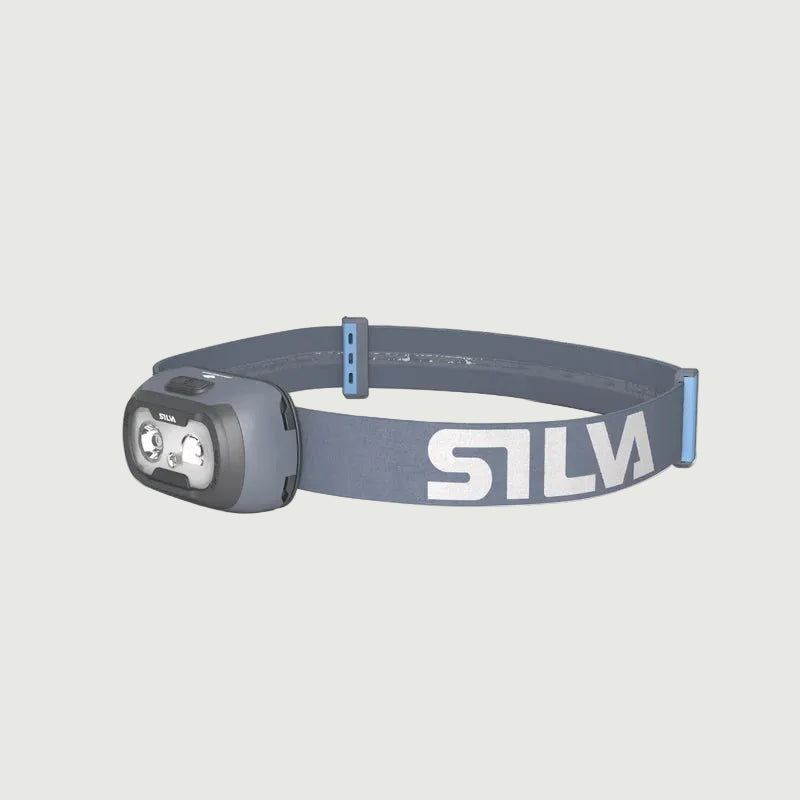
Silva - Seek 420 Midnight
£29.99

How to Own the Night
As the nights draw in and the days get shorter, many runners face an extra challenge: feeling safe and confident when running in the dark. For women in particular, concerns about personal safety can affect when, where and how they choose to exercise.
Research from This Girl Can found that almost 72% of women in the UK adapt their behaviour during the winter months to feel safer. Around 24% choose well-lit routes, while 23% avoid certain areas altogether. Meanwhile, a report by Our Streets Now found that 93% of women surveyed had experienced some form of public harassment while running.
These figures highlight why women’s safety while running needs to be taken seriously. Everyone should be able to enjoy running without feeling intimidated or unsafe.
That’s why Welsh Athletics launched their #OwnTheNight campaign: to empower women to stay active during the darker months and raise awareness of the steps we can all take to make running safer and more inclusive.
We were proud to support the campaign in-store in Abergavenny, working alongside Gwent Police and Feetures UK to bring our local running community together, share practical advice and help more women feel confident running after dark.
One of the highlights of our #OwnTheNight event was a presentation from Gwent Police, who shared important advice on responding to harassment and staying safe while out running.
Their message reinforced a key principle: your safety comes first, and you never have to engage with someone who is making you feel uncomfortable.
If you experience harassment, such as catcalling, shouting or being followed, avoid confrontation where possible and prioritise getting somewhere safe. Keep moving if it is safe to do so, change direction or head towards a nearby shop, open business or house where you can ask for help.
If you are in immediate danger, call 999.
Once you are safe, report the incident to the police through 101 or report non urgent issues via the Gwent Police website, Facebook messenger and also by speaking with their local neighbourhood policing team. You can find information on who your local policing team are on the Gwent Police website. You can also inform your run leader or club welfare officer.
Reporting incidents can help the police identify patterns, understand what is happening in the local community and offer appropriate support.

Whether you’re heading out for an early-morning run, squeezing in a session after work or exploring the lanes around Abergavenny, these practical winter running safety tips can help you feel more prepared.
Running with others can help you feel more confident, provide extra support if something goes wrong and make your training more enjoyable.
If you don't already have a running buddy, look for a local running club, social running group or an organised community run. Welsh Athletics' Group Finder can help you find a group in your area, or pop into our store and ask us about local clubs and social runs.
If you prefer running alone, there are still plenty of steps you can take to plan ahead and stay aware of your surroundings.
Visibility is essential when running in the dark. Drivers may have less time to spot runners in low-light conditions, particularly on unlit roads or in poor weather.
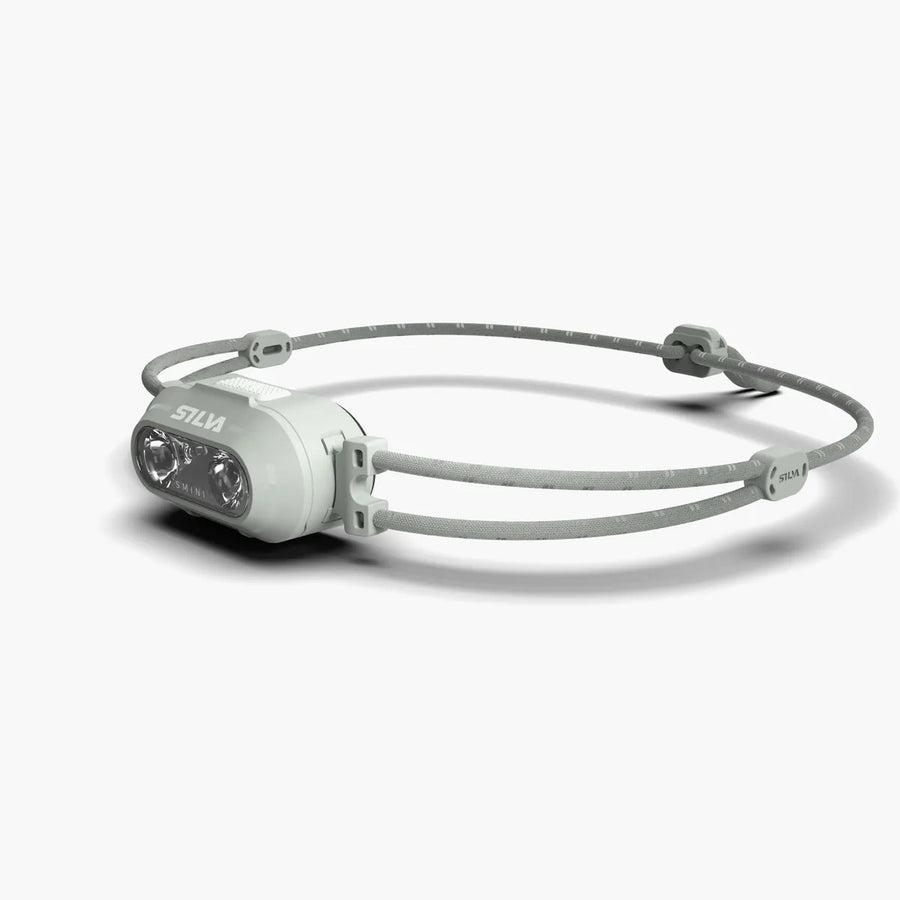
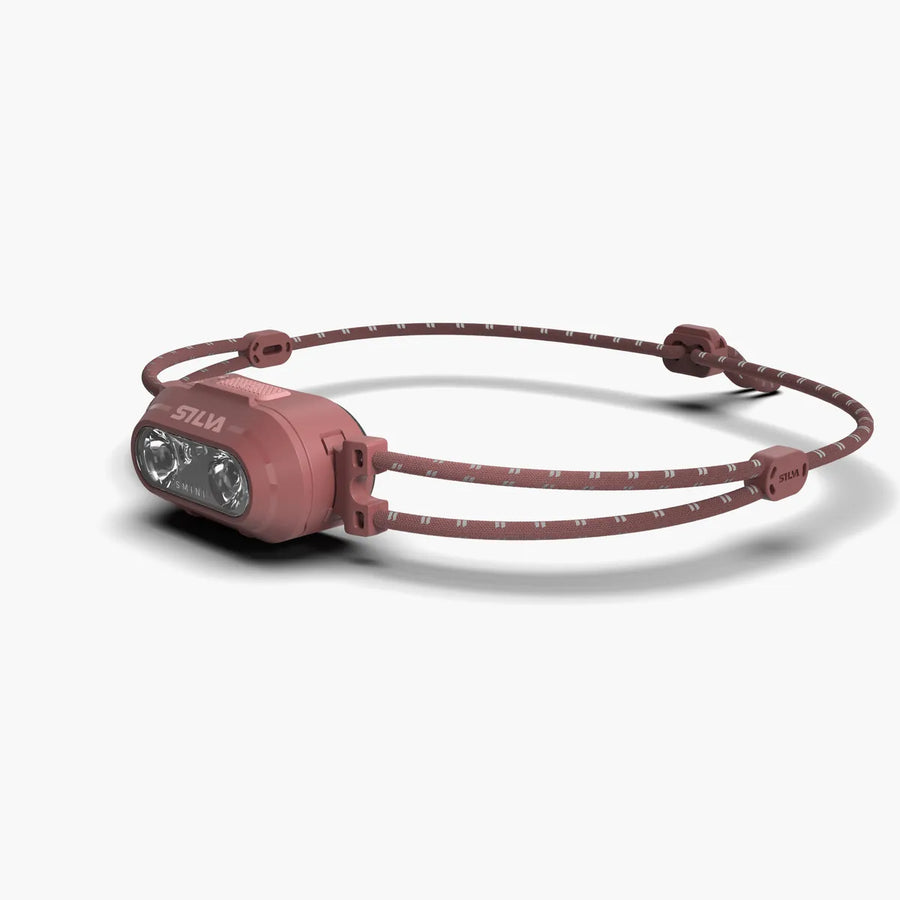
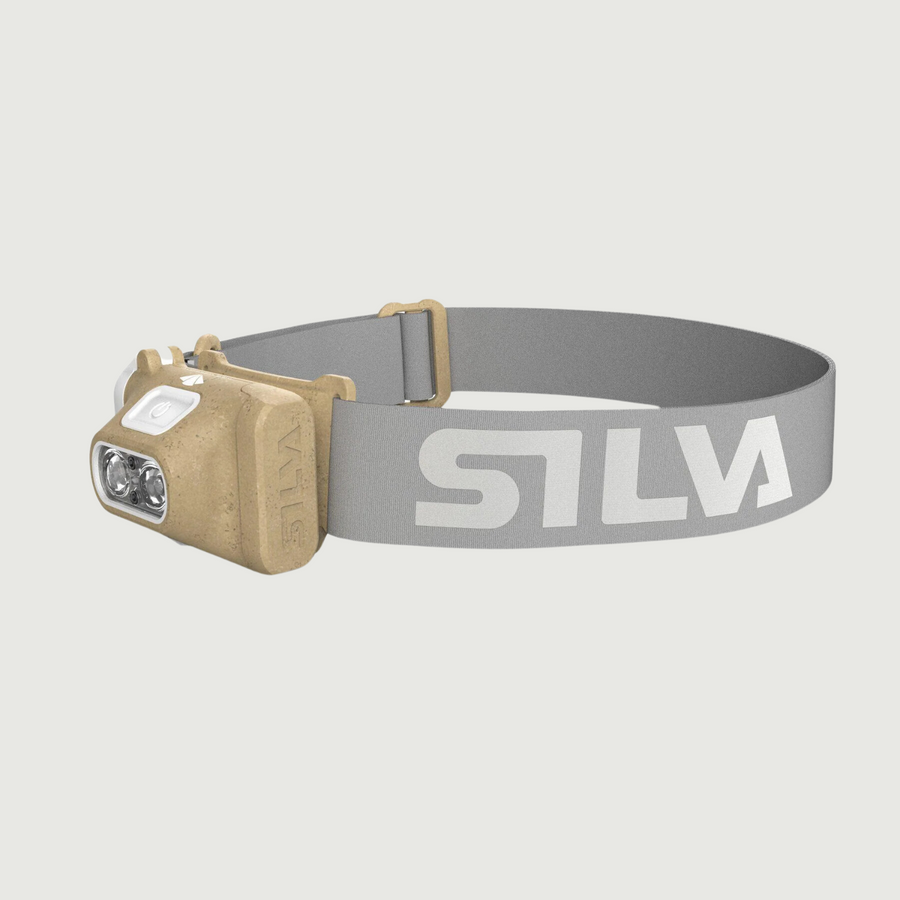
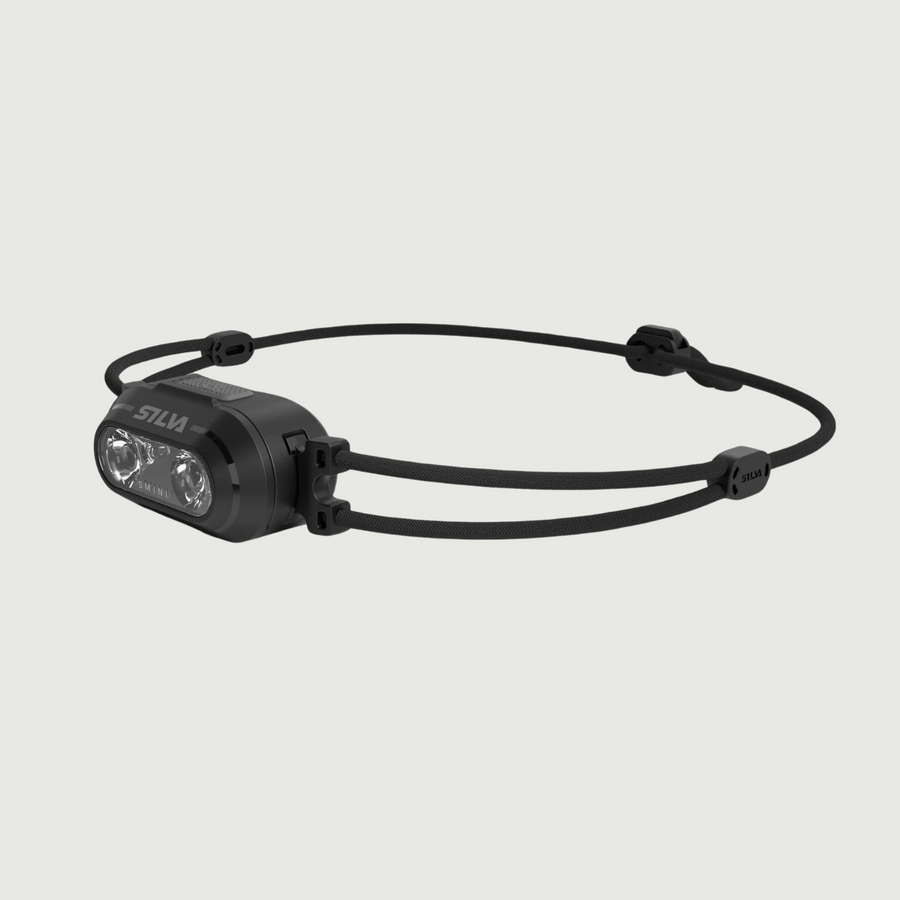
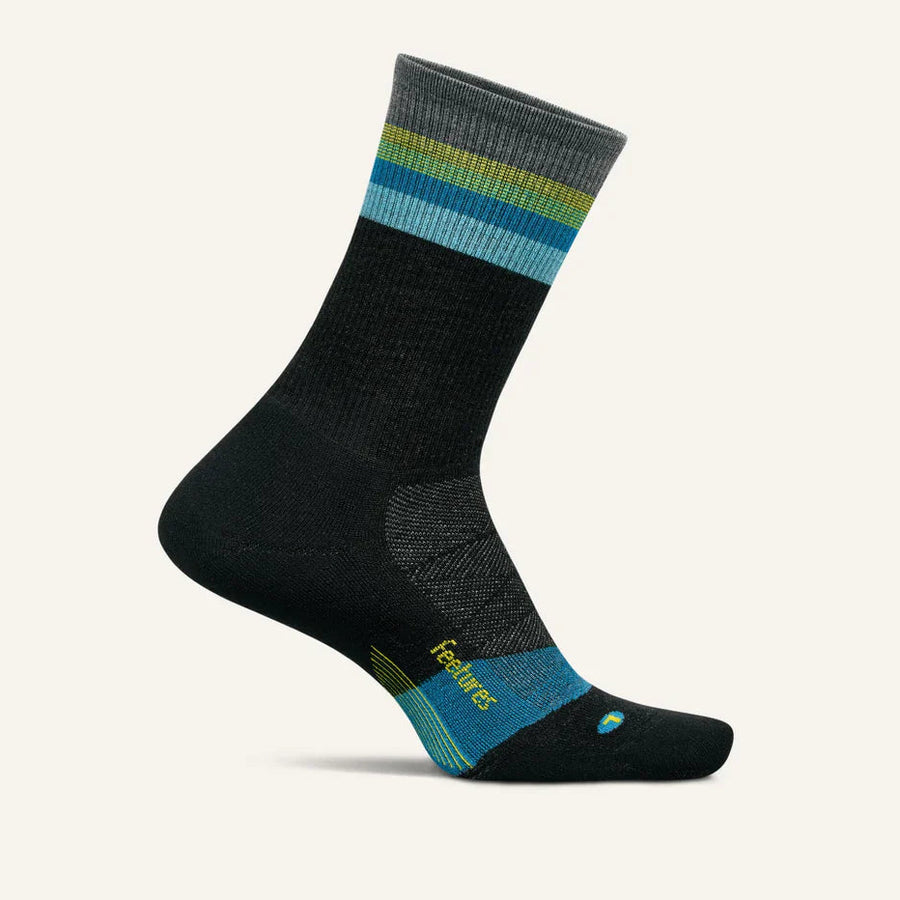
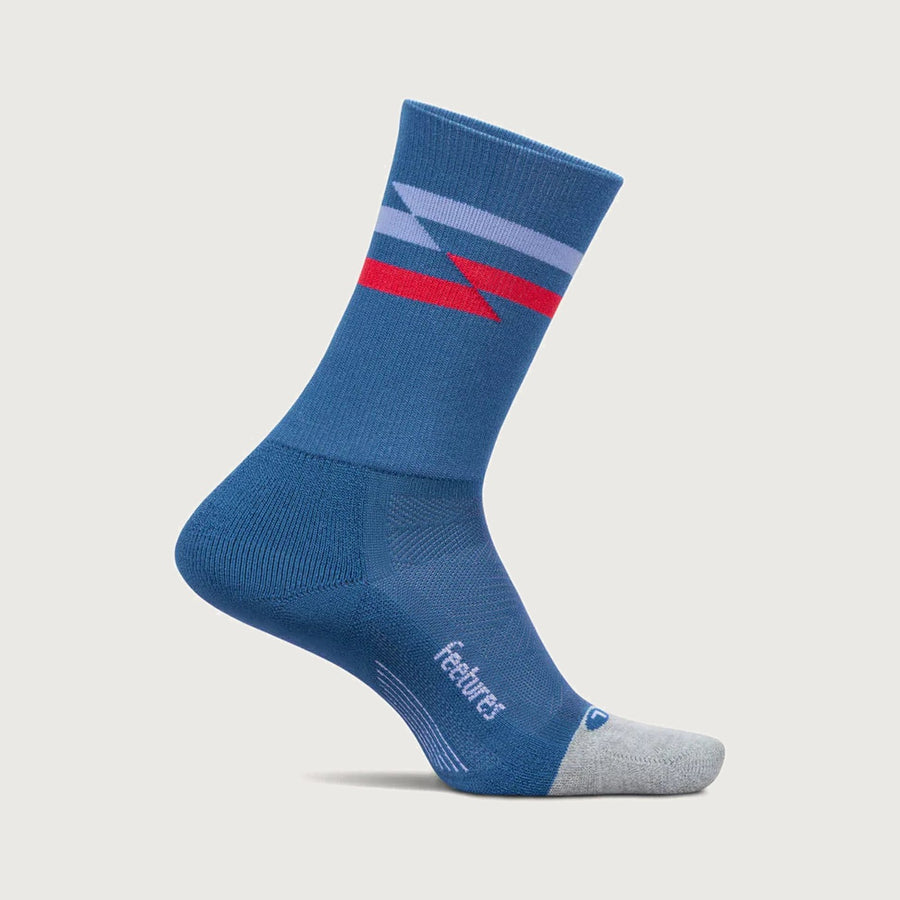
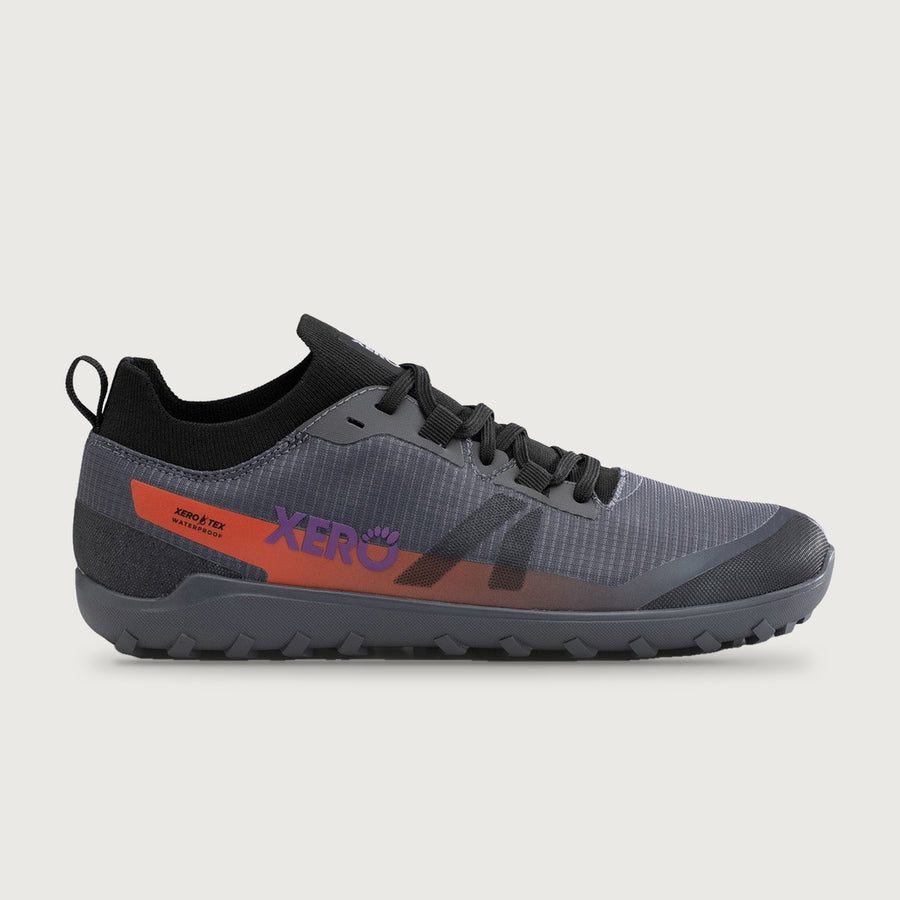
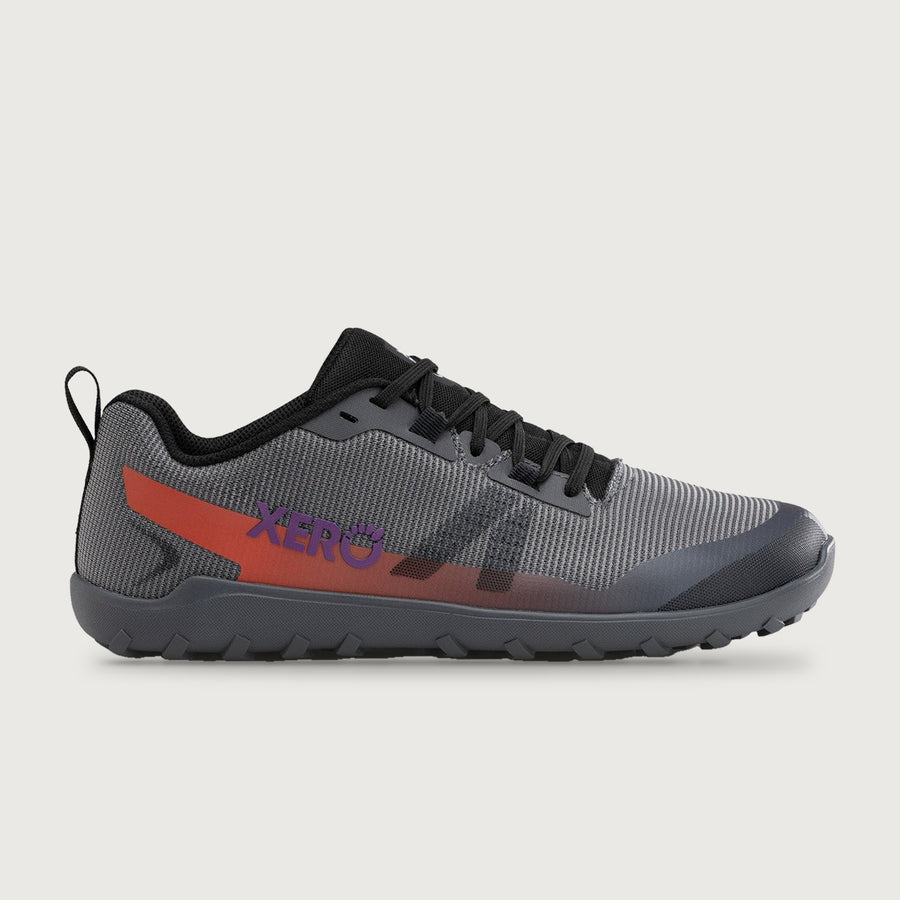
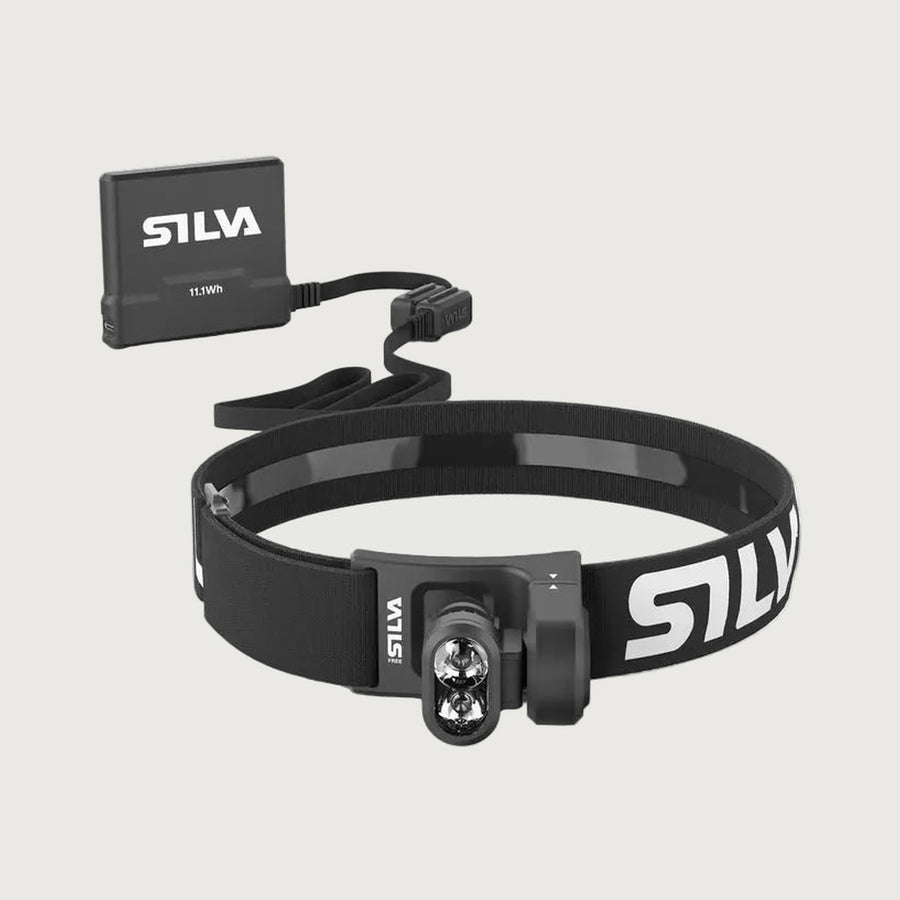
Choose high-visibility clothing, reflective running gear and accessories that help you stand out. A head torch can illuminate the path ahead, while a rear running light helps other road users see you from behind.
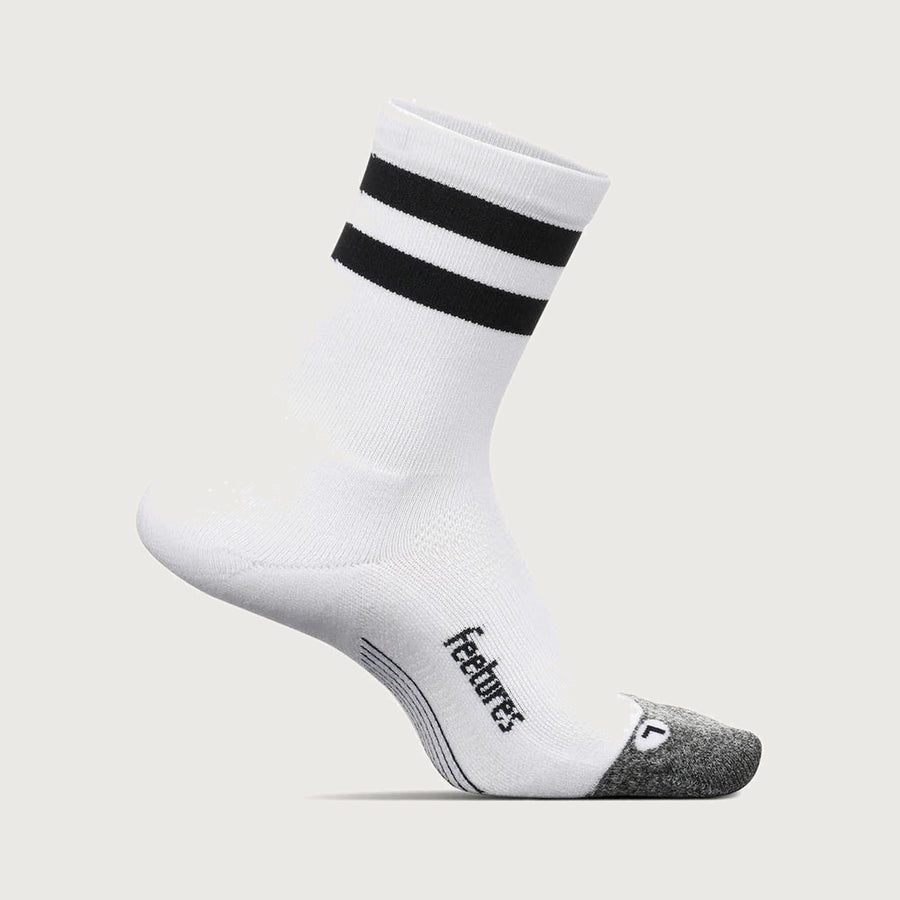
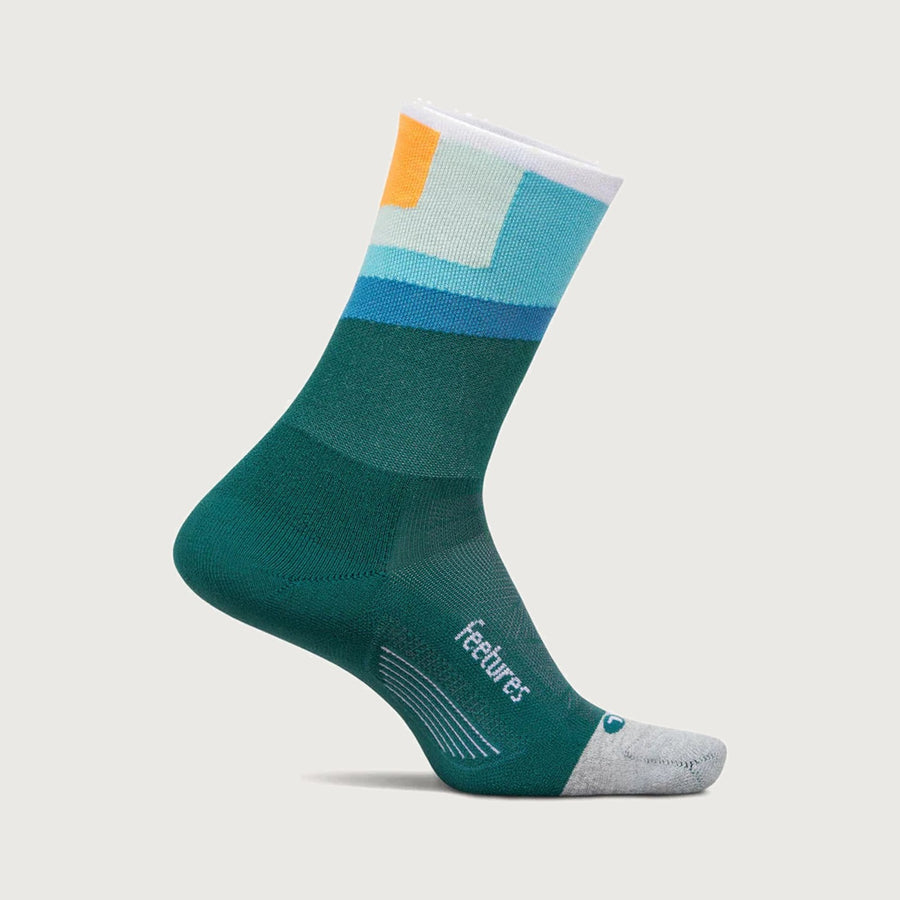
Reflective details on moving body parts, such as your ankles and wrists, can be particularly noticeable to drivers.
For the best visibility, consider combining:
Remember that reflective materials work best when light shines on them, so combine them with active lights when running on dark or unlit routes
Before heading out, think about where you’re going and what conditions you’re likely to encounter.
In built-up areas, choose well-lit streets and pavements where possible, and use designated crossings. Familiar routes can help you anticipate junctions, uneven surfaces and other potential hazards.
Running on the country lanes around Abergavenny requires extra care. Many rural roads have limited lighting and no pavements, so you may need to adjust your route to avoid particularly hazardous stretches.
Where you must run on a road, follow the Highway Code and, where there is no pavement, generally face oncoming traffic so you can see approaching vehicles. Stay alert, especially around bends, junctions and narrow sections of road.
If a route feels unsafe, change it. There is no need to stick to a planned run at the expense of your wellbeing.

Running the same route at the same time every day can create a predictable routine.
Where practical, mix up your routes and running times. Choose alternatives that offer better lighting, more people around or easier access to places where you could ask for help.
It's worth checking your route before setting off, particularly if you’re exploring somewhere unfamiliar or running during the darker winter evenings.
The aim isn't to make every run complicated. A little flexibility can help you feel more comfortable and prepared.
If you’re running alone, let a friend or family member know your planned route and approximately when you expect to return.
You could also share your live location using a trusted location-sharing service or a running app's safety features. For example, Strava Beacon and compatible Garmin safety features may allow you to share your location with selected contacts.
Check that the feature is enabled and working before you set off, and make sure your chosen contact knows what to do if you don't return as expected.
Live location sharing is an additional precaution, not a substitute for choosing a sensible route and carrying a way to contact help.
GEAR UP & HEAD OUT



 -40%
BLACK FRIDAY
 -15%
BLACK FRIDAY
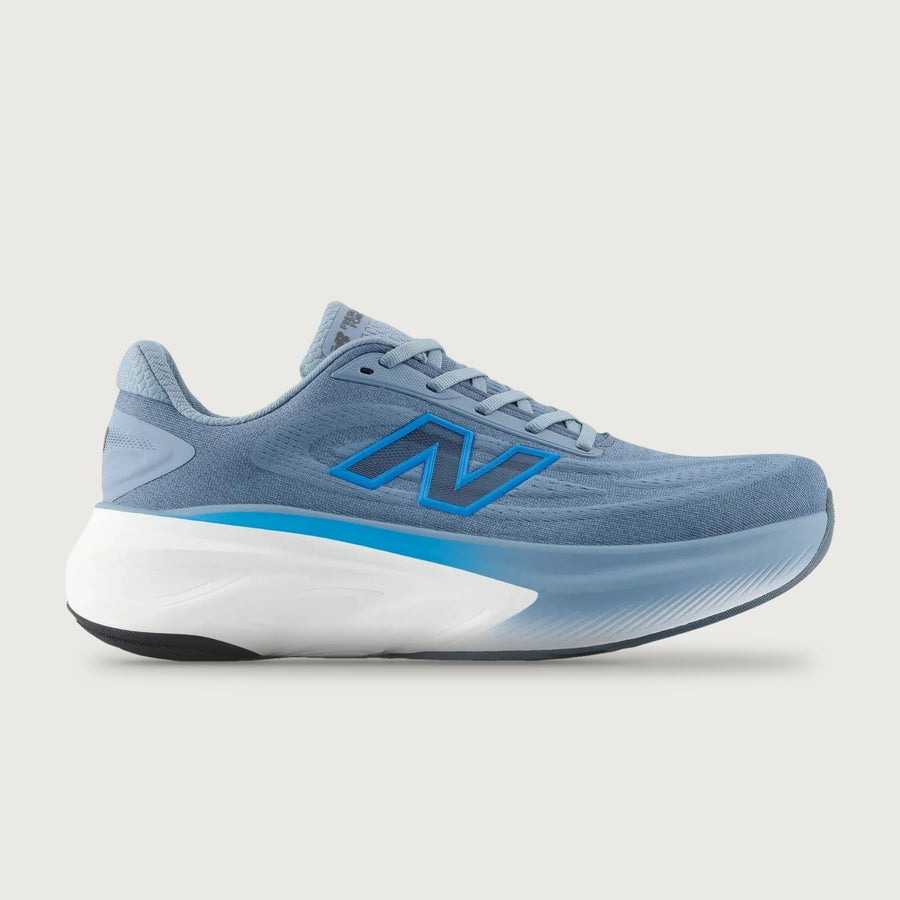
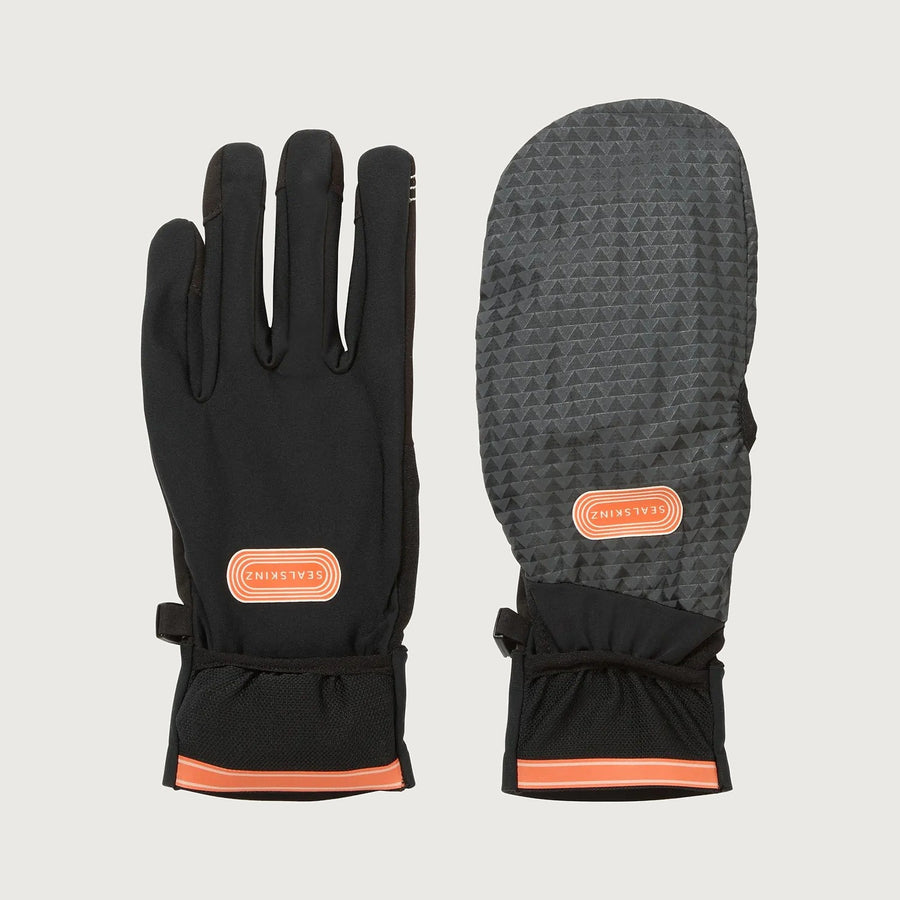
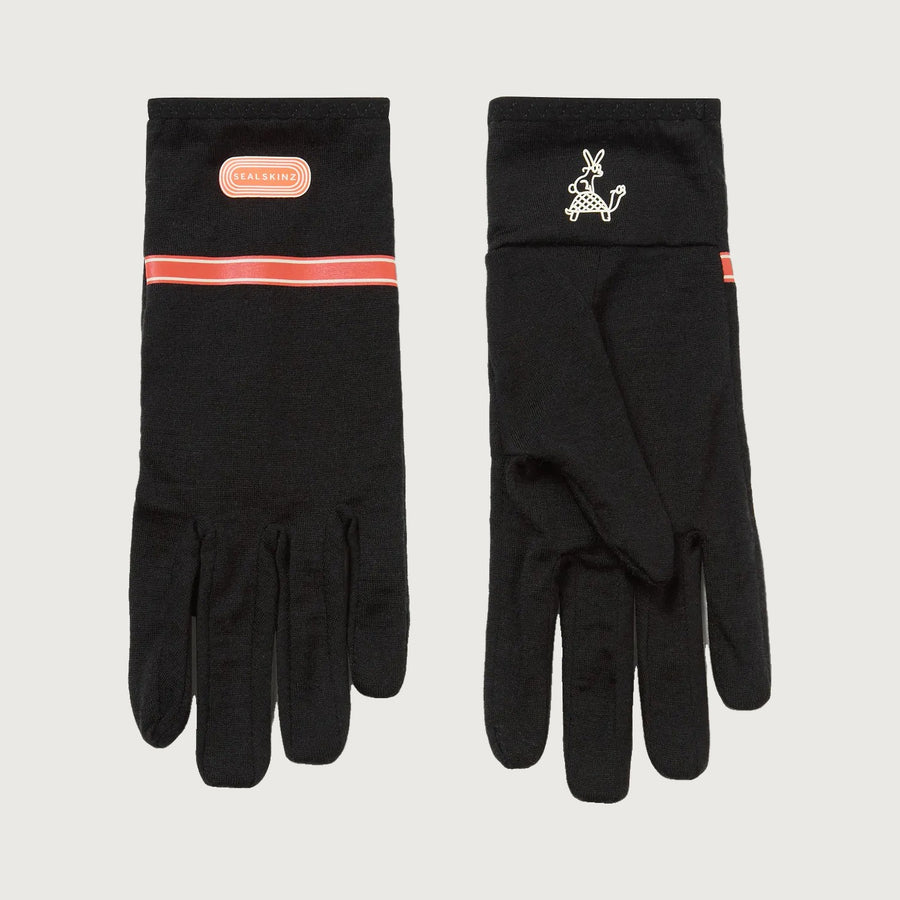



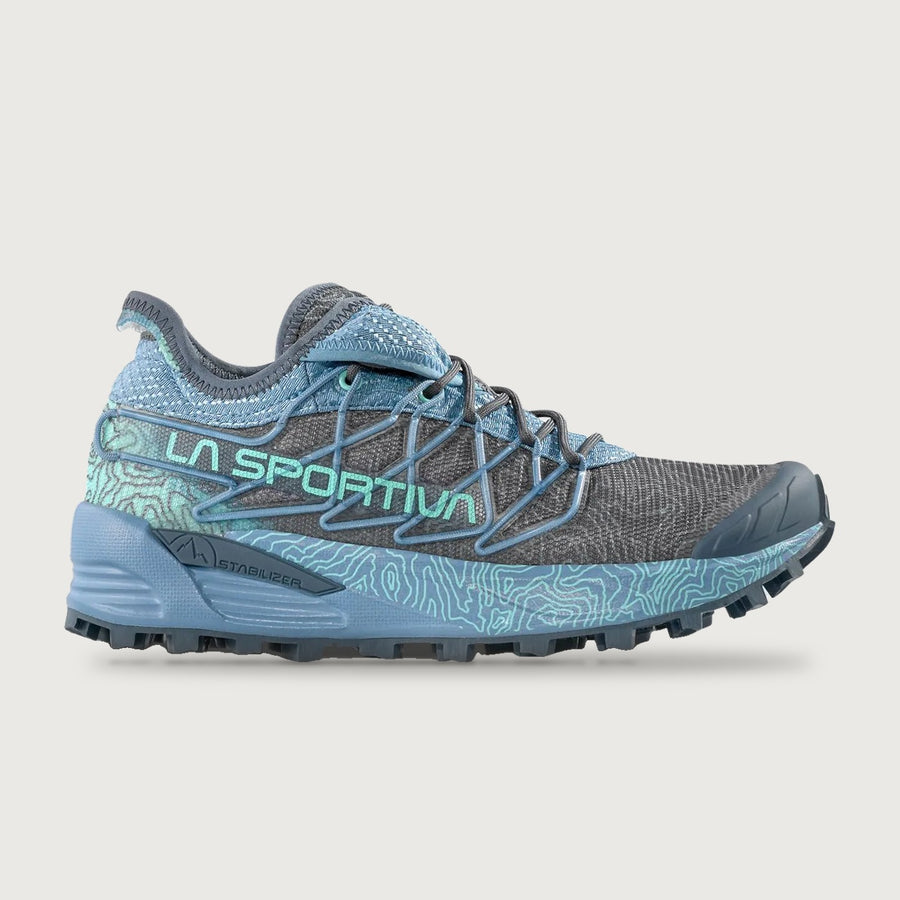 -15%
BLACK FRIDAY

Taking your phone on a run means you can contact someone if you need assistance.
Before you leave, make sure it has enough battery, set up your emergency contacts and familiarise yourself with your phone's emergency SOS feature.
Location tools can also be helpful if you need to explain exactly where you are. What3Words, for example, provides a three-word reference for a specific location. Apps such as Hollie Guard may offer additional personal safety features.
Check which features are available on your device and in your area, and don't rely on an app as your only way to get help.
If you believe you are in immediate danger, call 999.
Running apps can share more information than you realise, including routes, activity times and locations close to your home.
Take a few minutes to review your privacy settings before sharing your runs online.
Strava, for example, offers privacy controls that can help you hide certain areas around your home or work and limit who can see your activities. Review the available settings and choose the options that suit your needs.
It's also worth checking whether your profile and activities are visible to everyone or only to approved followers.
Sharing your achievements can be a great way to connect with other runners. You should still be in control of how much location information you make public.
Music and podcasts can make a run more enjoyable, but loud audio can make it harder to hear traffic, cyclists or people approaching you.
If you listen while running in the dark, keep the volume low, consider using just one earbud or choose open-ear headphones that leave your ears unobstructed.
Pay attention to your surroundings, particularly near road crossings, junctions and quieter stretches of your route.
Trust your instincts, too. If a person or situation makes you uncomfortable, it's completely ok to change direction, move towards a busier area or end your run early. You never need to justify putting your safety first.
Running in the dark shouldn't mean giving up the freedom, confidence and enjoyment that running brings. With the right preparation, appropriate visibility gear and a few simple safety habits, you can make more informed choices about how and where you run throughout the winter.
Our #OwnTheNight event in Abergavenny was a reminder that improving running safety is a shared responsibility. Runners, clubs, communities and local organisations all have a part to play in creating an environment where everyone feels welcome and supported.
A huge thank you to Welsh Athletics, Gwent Police and Feetures UK for helping us bring this important conversation to our community.
Looking for reflective running gear, a head torch or advice on running through the winter? Visit us in store and speak to our team. We're always happy to help you find the kit and local running groups that suit your needs.
Together, we can help more people feel confident, stay visible and continue doing what they love.